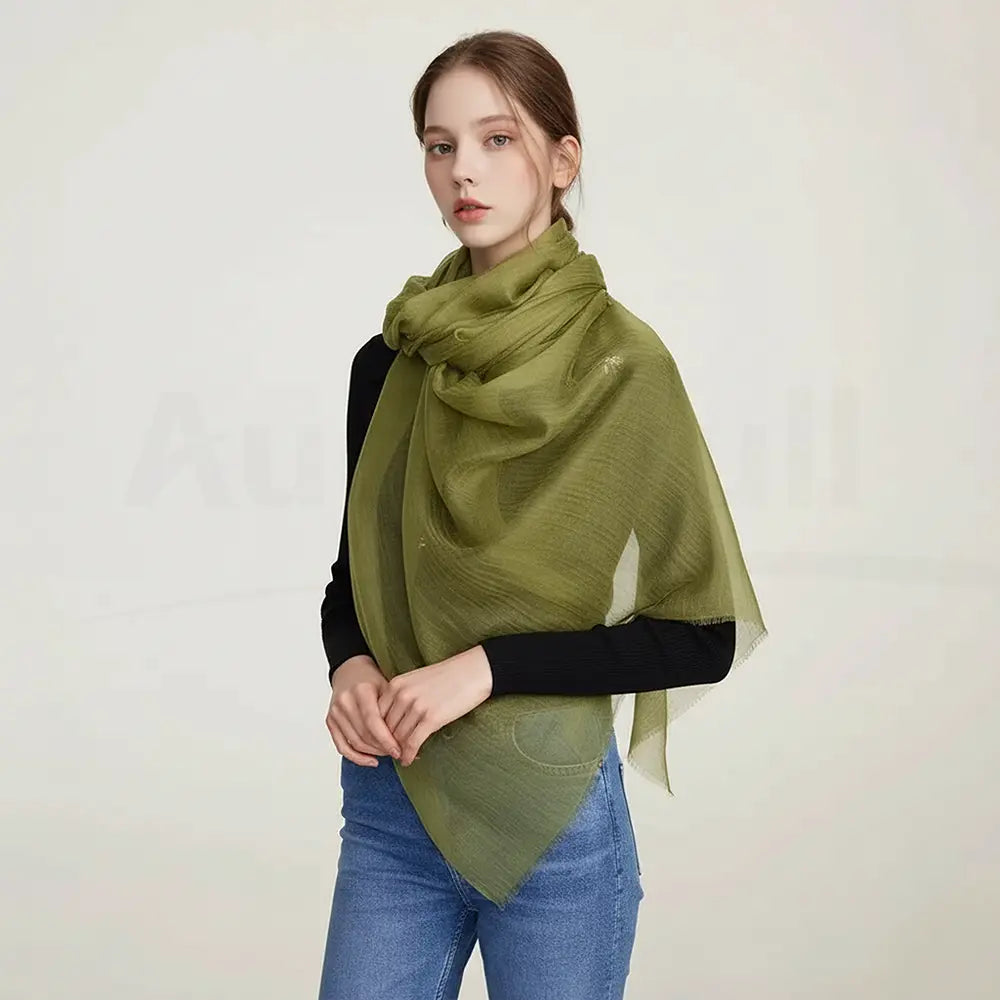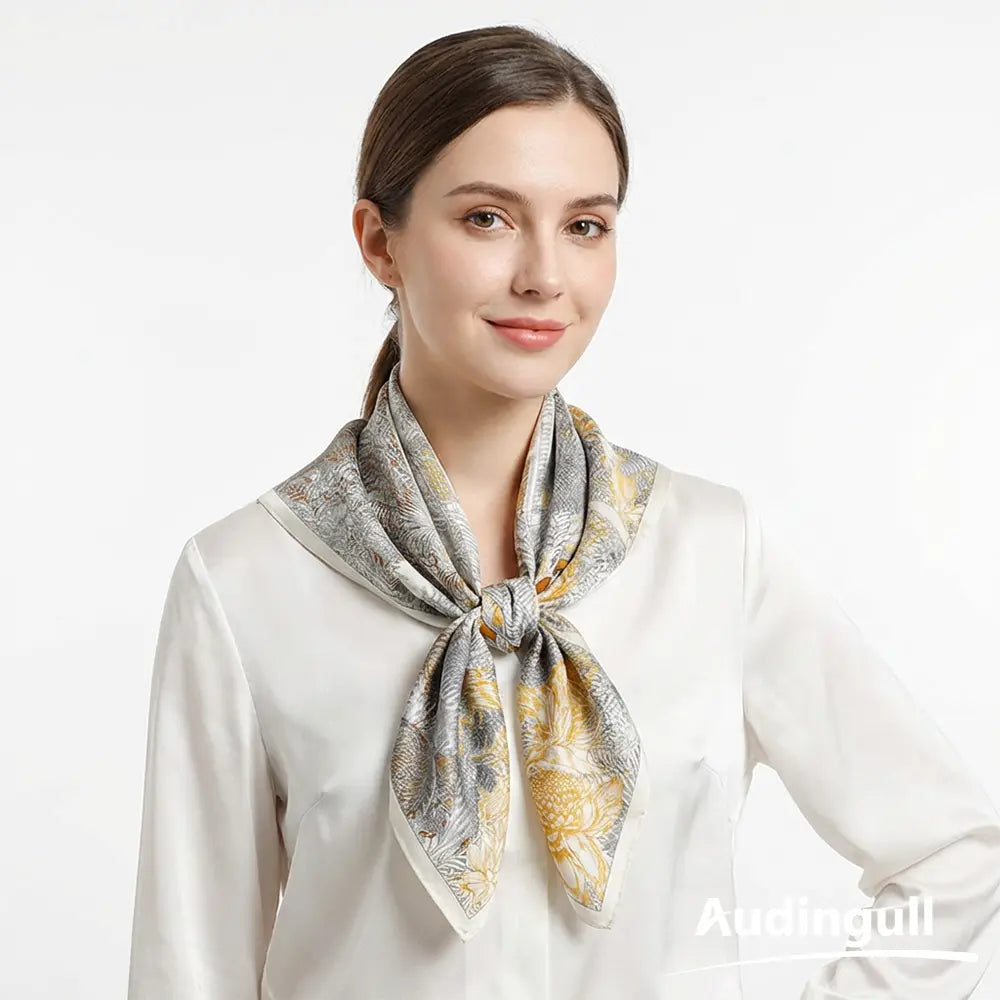

Cashmere is often loved for its softness, but not every cashmere scarf feels exactly the same. Some feel light and smooth. Some feel warmer and slightly fuller. Others may feel soft at first but change after a few wears if the fibers or construction are not well balanced.
If you are buying a cashmere scarf, it helps to understand what actually creates that soft feeling. The answer is not only the word “cashmere” on the label. Fiber quality, yarn, weave, finishing, and care all affect how a scarf feels against your skin.
This guide explains the main details in a simple way, so you can choose a cashmere scarf that feels comfortable, wearable, and worth reaching for often.
What Is Cashmere?
Cashmere comes from the fine undercoat of cashmere goats. This undercoat helps protect the animals in cold climates, and the fibers are known for being soft, light, and naturally insulating.
Unlike some heavier fibers, cashmere can feel warm without needing a bulky texture. That is one reason cashmere scarves are popular for daily wear. They can sit close to the neck, layer under coats, and add warmth without feeling heavy.
The softness of cashmere begins with the fineness of the fiber. Finer fibers usually feel smoother against the skin because they bend more easily and create less irritation.
Fiber Fineness Matters
One of the biggest reasons cashmere feels soft is the fineness of the individual fibers. Fine fibers are more flexible, so they feel smoother and gentler when they touch the skin.
A scarf made with finer cashmere usually feels softer around the neck and face. This is especially important for people who are sensitive to rough textures or do not like wearing heavy winter accessories.
However, softness should still feel balanced. A cashmere scarf should not feel weak, overly limp, or fragile. Good cashmere has softness, but it also has enough body to hold its shape and feel useful in real life.
Fiber Length Also Affects Quality
Fiber length is another important detail. Longer cashmere fibers can be spun into smoother, stronger yarns. This helps the scarf feel more refined and may reduce excessive pilling over time.
Shorter fibers can still feel soft, but they may loosen more easily with friction. This can lead to more visible pilling, especially where the scarf rubs against coat collars, bag straps, or zippers.
Pilling does not always mean a scarf is poor quality. Many soft natural fibers pill to some degree. But a scarf made with better fiber selection and careful spinning will usually age more gracefully with proper care.
The Yarn Changes the Feel
After cashmere fibers are collected and processed, they are spun into yarn. The way that yarn is made affects the final texture of the scarf.
A finer yarn can create a smoother, lighter scarf. A thicker yarn can create a warmer, fuller scarf. Some scarves are made to feel airy and delicate, while others are made to feel plush and cozy.
Neither style is automatically better. The best choice depends on how you plan to wear the scarf.
If you want a scarf for daily city wear, travel, or layering under a coat, a soft and medium-weight cashmere scarf is often practical. If you want a scarf for colder outdoor days, you may prefer a thicker style or a larger wrap.
Weave and Knit Make a Difference
Cashmere scarves can be woven or knitted, and each structure feels different.
A woven cashmere scarf often has a smooth, refined surface. It can feel light, elegant, and easy to style with coats, blazers, and sweaters. Woven scarves are useful if you prefer a clean look without too much bulk.
A knitted cashmere scarf may feel more flexible, cozy, and textured. It can be a good choice for casual winter outfits and relaxed layering.
The structure affects not only softness, but also drape. A scarf with a softer drape will fall naturally around the neck, while a more structured scarf will hold its shape more clearly.
Finishing Creates the First Touch
The finishing process can affect how soft cashmere feels when you first touch it. Some cashmere scarves are gently washed or brushed during finishing to bring out a softer surface.
This can make the scarf feel inviting right away. However, an extremely fluffy surface is not always the best sign. If the scarf feels overly brushed, it may pill more quickly because loose fibers are already sitting on the surface.
A good cashmere scarf should feel soft, but also stable. It should not shed heavily or feel like the surface is falling apart with light handling.
Weight Is Not the Same as Quality
Many people assume a heavier scarf is always better, but that is not necessarily true. Cashmere is valued partly because it can provide warmth without excessive weight.
A lightweight cashmere scarf can be high quality if it is made from fine fibers and well-spun yarn. A heavier scarf can also be excellent if it has good structure and a comfortable feel.
Instead of judging only by weight, think about purpose. Do you want a scarf for mild winters, office wear, and travel? A lighter cashmere scarf may be ideal. Do you want something for very cold mornings and outdoor walks? A heavier scarf or wrap may feel better.
Quality is about the balance of softness, warmth, durability, and comfort.
Why Some Cashmere Feels Scratchy
Cashmere is usually soft, but some scarves may still feel scratchy. There are a few possible reasons.
The fibers may be coarser than expected. The yarn may include shorter fibers. The weave may feel rougher against sensitive skin. Sometimes a scarf may also feel stiff because of finishing treatments or storage conditions.
If you have sensitive skin, pay attention to how the scarf feels on your neck, not just in your hands. The neck is more sensitive than the palm, so a scarf that feels acceptable in your hand may still feel irritating after several hours of wear.
A truly wearable cashmere scarf should feel comfortable where it matters most.
How to Judge Cashmere Softness Before Buying
When shopping online, you cannot touch the scarf first, so look for practical clues.
Check the material description. A scarf described as 100% cashmere is different from a blend. Blends can still be useful, but they may not have the same softness or feel.
Look at the product photos. A good cashmere scarf should have an even surface, clean edges, and a natural drape. If the scarf looks overly fuzzy, it may be very soft at first but more prone to surface pilling.
Read the care instructions. Quality cashmere usually requires gentle care. If the care guidance is clear and specific, that is a good sign.
Also consider the brand’s overall presentation. A reliable product page should explain size, material, color, and care in a way that helps you make a real decision.
How a Cashmere Scarf Should Feel When You Wear It
A good cashmere scarf should feel soft but not slippery, warm but not heavy, and comfortable enough to wear for several hours.
It should wrap easily around the neck without feeling stiff. It should layer under a coat without creating too much bulk. It should feel pleasant near the chin and jawline, especially if you wear it during cold weather.
The scarf should also return naturally to shape after light use. Some wrinkling or compression is normal, but it should not look tired after one wear.
Most importantly, it should fit your daily life. The softest scarf is not useful if it feels too delicate to wear.
Does Cashmere Get Softer Over Time?
Cashmere can become softer with gentle wear and proper care. As the fibers relax, the scarf may feel more natural and comfortable.
However, this does not mean cashmere should be treated roughly. Washing too often, using hot water, twisting the fabric, or hanging it for long periods can affect the shape and texture.
To help cashmere age well, air it between wears, fold it flat for storage, and clean it only when needed according to the care label.
A little pilling may appear over time, especially in areas of friction. Remove pills gently with a cashmere comb rather than pulling them by hand.
How to Keep Cashmere Soft
Good care helps cashmere keep its soft feel.
Let the scarf rest between wears. Natural fibers benefit from time to recover, especially after being wrapped tightly or worn under a coat.
Store the scarf folded, not hanging. Hanging can stretch the fibers, especially in larger scarves and wraps.
Keep cashmere away from rough surfaces, sharp zippers, and heavy bag straps when possible. Friction is one of the main causes of pilling.
When cleaning is needed, follow the care label. Many cashmere scarves should be hand washed in cool water with a gentle detergent or cleaned professionally. Never wring cashmere. Press out water carefully and lay it flat to dry.
Choosing the Right Cashmere Scarf for You
When choosing a cashmere scarf, think about softness, but also think about your wardrobe and climate.
For everyday wear, a medium-weight cashmere scarf in a versatile color is often the easiest choice. Gray, camel, cream, navy, black, taupe, and soft brown can work with many coats and sweaters.
For travel, choose a scarf that is warm but not bulky. It should fold easily into a bag and work with several outfits.
For gifting, choose a color that feels easy to wear and a texture that feels gentle against the skin. A soft neutral cashmere scarf is often a thoughtful option because it is personal without being difficult to style.
Final Thoughts
Cashmere feels soft because of the fineness of its fibers, but true comfort comes from more than one detail. Fiber length, yarn quality, weave, finishing, weight, and care all shape how a cashmere scarf feels and how well it wears over time.
When buying a cashmere scarf, look for softness that feels natural, not overly fragile. Choose a size, weight, and color that fit your everyday wardrobe. With gentle care, a good cashmere scarf can become one of the most comfortable pieces you own, ready for quiet mornings, cold evenings, travel days, and simple winter outfits.
FAQ
Why is cashmere so soft?
Cashmere is soft because it comes from the fine undercoat of cashmere goats. The fibers are thin and flexible, which helps them feel smooth against the skin.
Is thicker cashmere always better?
No. Thicker cashmere can be warmer, but quality also depends on fiber fineness, fiber length, yarn, and construction. A lighter scarf can still be high quality.
Does cashmere get softer with wear?
Cashmere can become softer with gentle wear and proper care as the fibers relax. It should still be handled carefully to maintain its shape and texture.
Why does cashmere pill?
Pilling happens when loose fibers rub together and form small balls on the surface. It is common with soft natural fibers and can be managed gently with a cashmere comb.
How do I choose a soft cashmere scarf online?
Look for clear material details, good product photos, size information, care instructions, and descriptions that explain the scarf’s weight and feel.