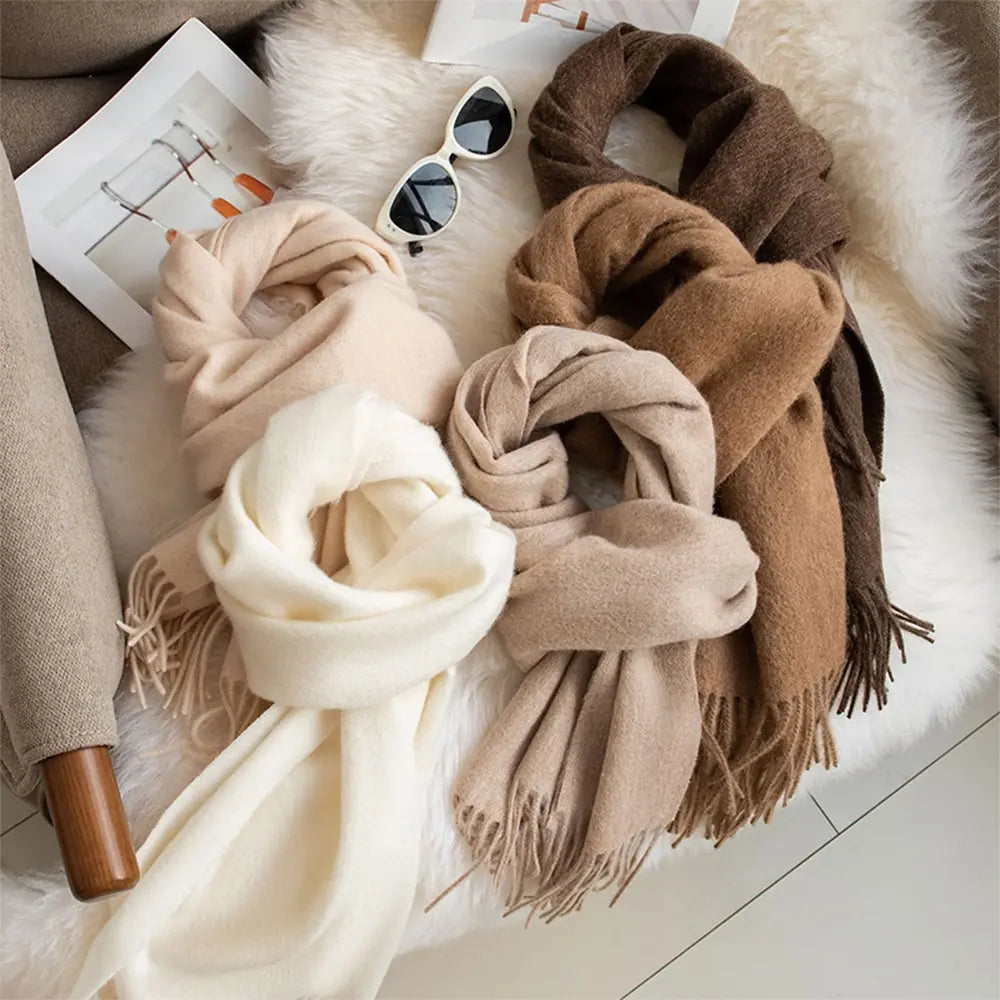

Cashmere and wool are often mentioned together, yet many shoppers aren’t entirely sure how they differ—or which one is right for them. Both are natural fibers, both are warm, and both have stood the test of time. But when it comes to daily wear, climate, lifestyle, and personal preference, the choice matters more than you might think.
If you’ve ever hesitated between a cashmere scarf and a wool one, or wondered whether a men’s sweater should be cashmere or wool, this guide is for you.
Understanding the Core Difference
At the most basic level, the difference lies in fiber fineness and function.
- Cashmere comes from the soft undercoat of cashmere goats
- Wool typically comes from sheep and has a thicker, stronger fiber
This single difference affects everything—from how the fabric feels on your skin to how it performs over time.
Choose Cashmere If You Value Softness and Lightness
Cashmere is best known for its exceptional softness. It’s often the first thing people notice when they touch it.
Cashmere is ideal if you:
- Have sensitive skin
- Prefer lightweight warmth
- Want a refined, elegant look
For scarves, cashmere offers:
- A smooth, non-itchy feel around the neck
- Easy draping without stiffness
- Comfortable all-day wear indoors and outdoors
For men’s sweaters, cashmere works especially well in:
- Offices and professional settings
- Mild to moderate winter climates
- Layered outfits where bulk isn’t desired
Cashmere doesn’t try to impress loudly—it blends seamlessly into a polished lifestyle.
Choose Wool If You Need Structure and Durability
Wool shines when performance and resilience are priorities. Its fibers are naturally elastic, allowing garments to hold their shape over time.
Wool is a better choice if you:
- Need stronger insulation for colder weather
- Prefer garments with structure
- Want something that handles frequent wear well
For men’s sweaters, wool is often preferred for:
- Outdoor use and commuting
- Cold, windy conditions
- Everyday reliability without delicate handling
Wool scarves also offer:
- Excellent warmth retention
- Slightly more body and texture
- A classic, timeless appearance
For customers living in colder U.S. regions, wool is often the more practical daily option.
Climate Matters More Than You Think
Your local climate should play a key role in your decision.
- Milder winters or indoor-focused wear → Cashmere
- Cold, dry, or windy winters → Wool
- Layering across seasons → Either, depending on thickness
Many customers find that owning both makes the most sense—using cashmere for comfort and refinement, and wool for strength and warmth.
Care and Longevity: What to Expect
Both fibers reward proper care, but they behave differently.
Cashmere:
- Requires gentle washing
- Benefits from resting between wears
- Ages beautifully when handled with care
Wool:
- More forgiving with daily use
- Naturally resistant to odors
- Maintains shape with less effort
Neither should be considered “high-maintenance,” but understanding their needs helps extend their lifespan significantly.
Style: Quiet Luxury vs. Confident Practicality
From a style perspective, the choice often comes down to personality.
- Cashmere leans toward quiet luxury—subtle, refined, and effortless
- Wool communicates confidence and function—classic, dependable, and strong
Neither is better. They simply serve different moments in everyday life.
Why Material Transparency Matters
In today’s market, many products blend fibers while still marketing themselves as premium. Knowing whether a garment is made from pure cashmere or pure wool helps customers make informed decisions—and avoid disappointment.
At Audingull, the focus remains on clear material choices and honest craftsmanship, allowing customers to choose based on real needs rather than vague promises.
Final Thoughts
Cashmere and wool aren’t competitors—they’re complements. One excels in softness and elegance, the other in durability and warmth. Understanding their differences empowers you to build a wardrobe that feels intentional, comfortable, and lasting.
The best choice isn’t about trends. It’s about how you live, how you dress, and how you want your clothing to support you—season after season.