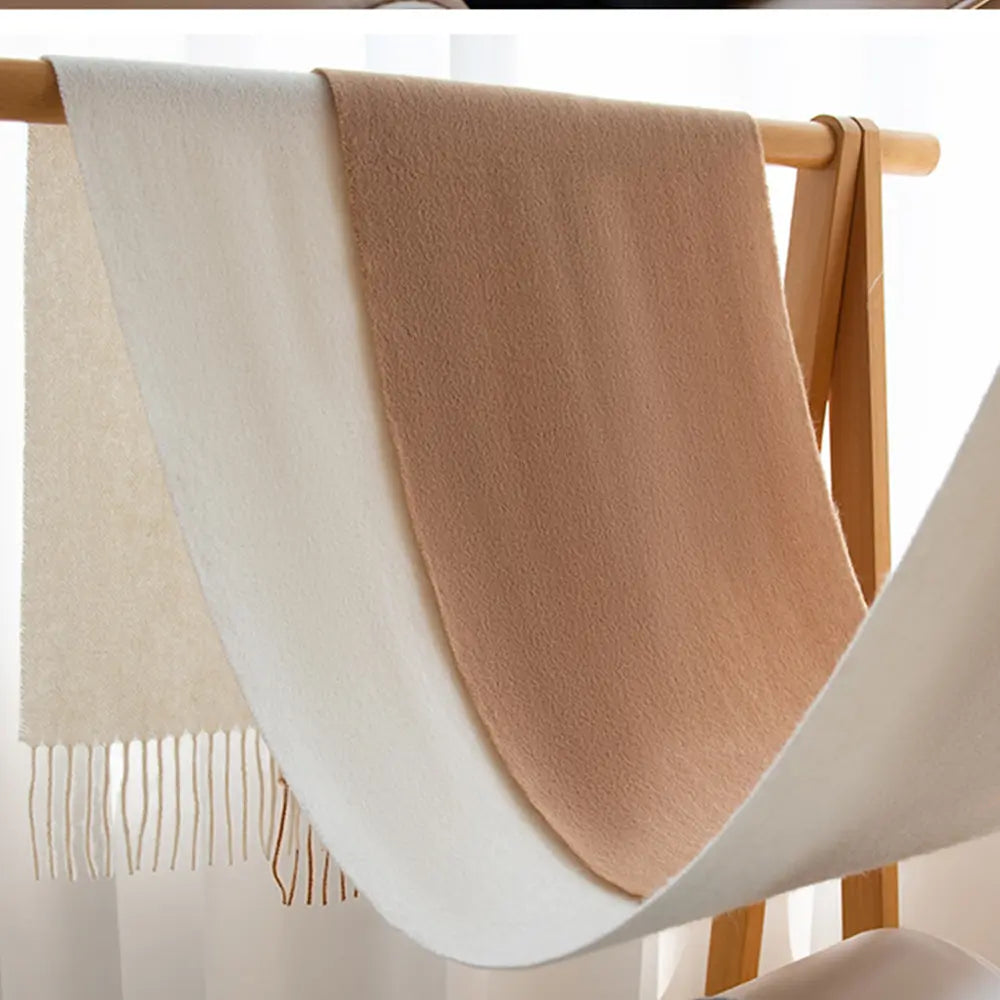

Cashmere and wool are not delicate luxuries meant to be worn once in a while. When cared for properly, they are some of the most durable and rewarding materials you can own. Yet many people unintentionally shorten the life of their scarves and sweaters simply because they were never taught how to care for them correctly.
The good news? Proper care is simpler than most people think. This guide walks you through how to care for cashmere and wool the right way, so your favorite pieces stay soft, warm, and beautiful year after year.
First, Let’s Clear Up a Common Myth
One of the biggest misconceptions is that cashmere and wool need to be washed after every wear. In reality, over-washing is the fastest way to damage natural fibers.
Both materials are naturally breathable and odor-resistant. Often, all they need is rest and fresh air.
If it doesn’t smell and isn’t stained, it probably doesn’t need washing.
How Often Should You Wash?
Cashmere
- Wash after 3–5 wears, depending on use
- Scarves may need washing even less frequently
Wool
- Wash after 5–7 wears
- Many wool sweaters only need occasional airing
Between wears, let garments rest flat to allow fibers to recover their shape.
Hand Washing: The Safest Method
Hand washing is the gold standard for both cashmere and wool.
Step-by-step:
- Fill a basin with cold or lukewarm water
- Add a small amount of mild detergent designed for wool
- Submerge the garment and gently press—never rub or twist
- Let soak for 10–15 minutes
- Rinse with clean water at the same temperature
Temperature consistency matters. Sudden changes can cause shrinking or felting.
Can You Use a Washing Machine?
Yes—but only if done carefully.
- Use the delicate or wool cycle
- Cold water only
- Place the item in a mesh laundry bag
- Avoid spin-heavy settings
If you’re ever unsure, hand washing is always the safer choice.
Drying: Where Most Damage Happens
Never put cashmere or wool in a dryer.
Instead:
- Gently press out excess water with a towel
- Lay flat on a clean, dry surface
- Reshape while damp
- Let air dry naturally
Hanging wet garments can stretch them out of shape, especially sweaters.
Storage Tips That Make a Big Difference
When the season changes, proper storage is essential.
Do:
- Store garments clean (moths love natural fibers with residue)
- Fold neatly rather than hanging
- Use breathable storage bags
Avoid:
- Plastic airtight bags
- Hanging sweaters for long periods
- Storing in damp areas
Natural moth repellents like cedar or lavender are effective and chemical-free.
Dealing with Pilling (It’s Normal)
Pilling is not a flaw—it’s a natural result of friction, especially in high-contact areas like underarms or scarf folds.
To manage it:
- Use a fabric shaver or cashmere comb
- Gently remove pills without pulling
- Avoid excessive friction from rough outerwear
With time and care, pilling often decreases as loose fibers shed.
Traveling with Cashmere and Wool
When packing:
- Fold instead of rolling tightly
- Place garments in breathable pouches
- Avoid compressing under heavy items
A well-made scarf or sweater is an excellent travel companion—it adapts to changing temperatures and elevates even the simplest outfit.
Why Quality Makes Care Easier
Higher-quality cashmere and wool naturally perform better over time. Longer fibers pill less, hold shape longer, and respond better to gentle care.
At Audingull, pieces are designed with everyday wear in mind—meant to be lived in, not stored away. Proper care simply ensures they continue to look and feel the way they were intended.
Final Thoughts
Caring for cashmere and wool isn’t about being cautious—it’s about being informed. With just a few mindful habits, your scarves and sweaters can last for many years, growing softer and more comfortable with time.
Good materials deserve good care. And when treated well, they return the favor every time you wear them.